If you want to get cited in AI Overviews, ranking well in traditional Google Search is no longer the only goal. AI-generated answers are creating another layer of search visibility, where a webpage can become a supporting source rather than simply another result on a search page. Google reported in June 2026 that AI Overviews had surpassed **2.5 billion monthly active users**, showing how widely this search experience is now being used. But there is no guaranteed formula for earning a citation. Google says the same foundational SEO practices remain relevant for AI features, including creating helpful, reliable, people-first content and making pages accessible to Google Search. For businesses, the opportunity is clear: create content that answers real questions, demonstrates expertise, provides useful evidence, and gives AI systems a reliable source to reference. This guide explains how Google AI Overviews and ChatGPT differ, what makes content citation-worthy, and the practical steps you can take to improve your AI search visibility.
What Does It Mean to Get Cited in AI Overviews and ChatGPT?
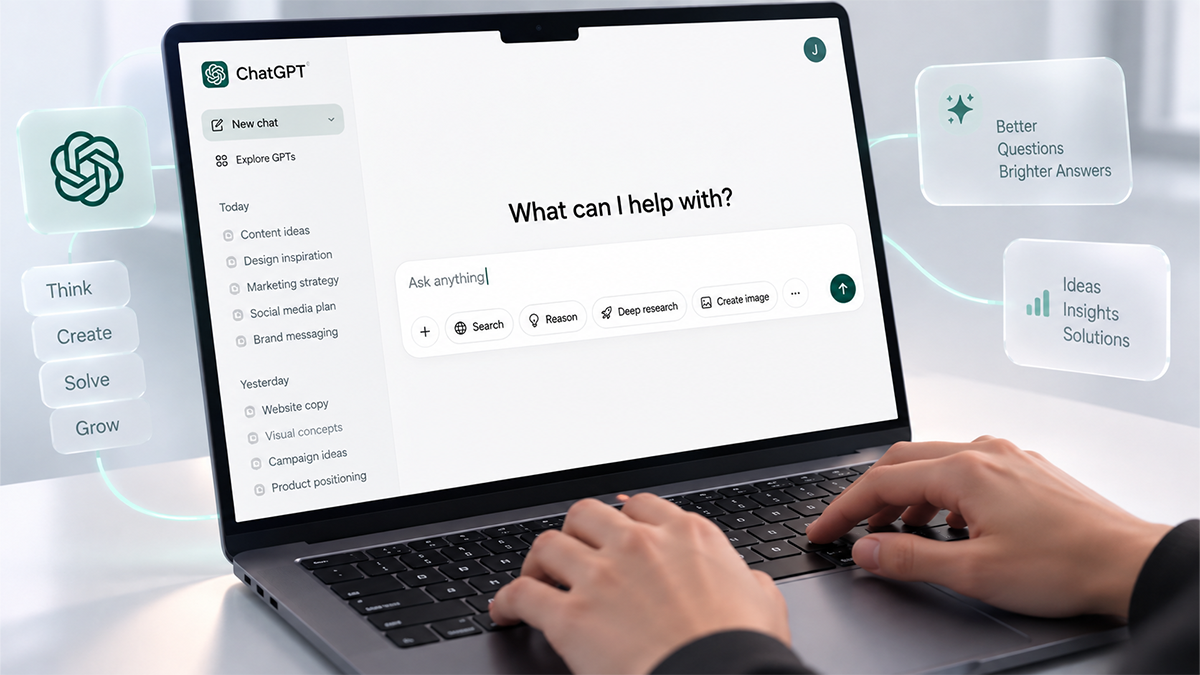
An AI citation occurs when an AI-generated answer references information from a webpage and provides a link or attribution to that source. Instead of simply appearing in a list of search results, your website becomes part of the information supporting the answer. That distinction matters. An AI response may combine information from several webpages, with each source contributing something different. One website might provide an original statistic, another might explain a concept, and another might offer a useful comparison.
Why AI Citations Matter
For businesses, being referenced in an AI-generated answer can create opportunities for:
- Brand discovery
- Referral traffic
- Greater visibility during research
- Authority within a specific topic
- Product or service consideration
However, being mentioned and being cited are not always the same. A brand can appear in an answer without its website being used as the supporting source. That is why businesses trying to get cited in AI Overviews should focus on producing information that is genuinely useful, specific, credible, and easy to understand.
How Google AI Overviews and ChatGPT Choose Sources
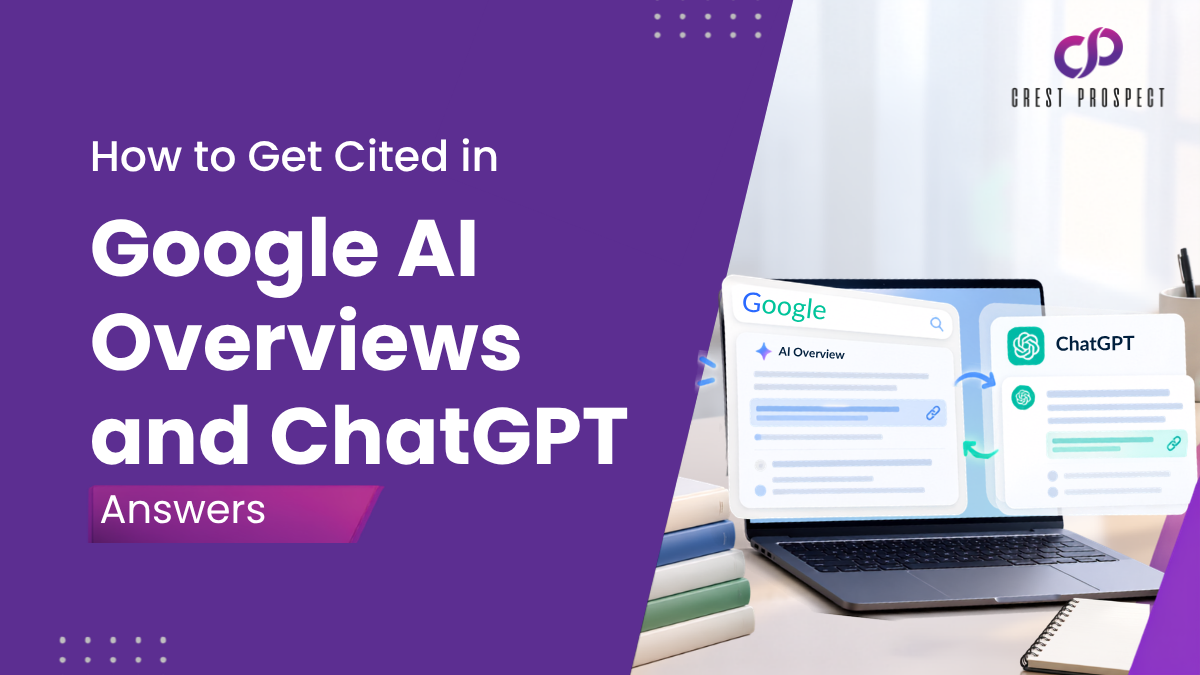
Google AI Overviews and ChatGPT should not be treated as the same search system. They can retrieve information differently and may select different sources for the same question. Google explains that AI Overviews and AI Mode can use a technique called query fan-out, where related searches are issued across different subtopics and sources to develop a response. Google’s systems can then identify additional supporting webpages for the answer. This means a broad question can lead to several underlying searches. A page that directly answers one of those related questions may become useful as a supporting source. Google also states that there are no special technical requirements specifically for appearing in AI Overviews. A page needs to be indexed and eligible to appear in Google Search with a snippet, while established SEO fundamentals continue to apply. ChatGPT works differently. When web search is used, it can retrieve information from the web and provide links to supporting sources. There is no publicly documented formula that guarantees a particular website will be cited. The practical lesson is simple: don’t optimize for a supposed AI ranking trick. Build content that provides a strong answer and gives the system a good reason to reference your page.
Ranking on Google Isn’t the Same as Getting Cited by AI
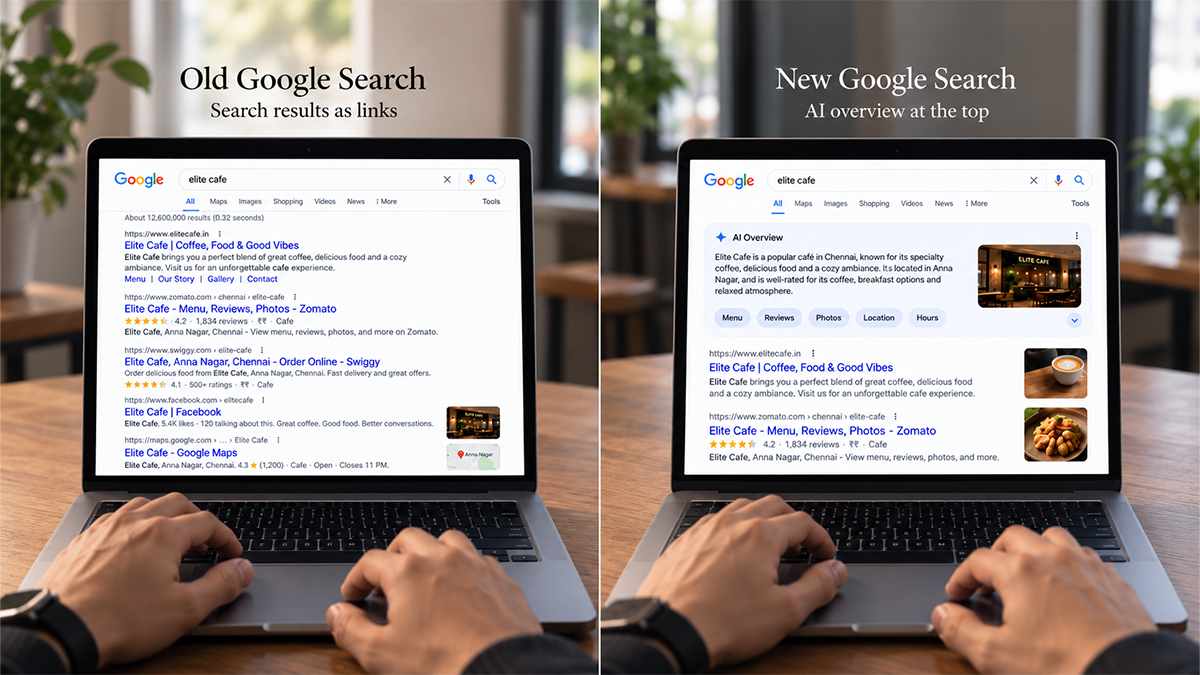
A high Google ranking can improve your visibility, but it doesn’t guarantee that your page will become a source in an AI-generated answer. Traditional search asks users to choose from a list of results. AI search can synthesize information from multiple sources and present the user with a combined response.
| Traditional Google Search | AI-Generated Answers |
|---|---|
| Focuses on search result visibility | Focuses on useful information for an answer |
| Users browse individual pages | Users may receive a synthesized response |
| Ranking position is highly visible | Source selection happens within the answer |
| Keyword relevance is important | Contextual relevance is important |
| One result can satisfy the query | Multiple sources may support one response |
For example, a page ranking well for “content marketing strategy” might not contain the specific information needed for a question such as “What type of content generates B2B leads?” Another page with original research or relevant data could be a better source for that particular answer. So if you want to get cited in AI Overviews, don’t focus only on where your page ranks. Ask whether your page contains information that is actually worth referencing.
7 Ways to Increase Your Chances of Getting Cited
There is no special markup or shortcut that guarantees an AI citation. The strongest approach is to make your content useful, credible, accessible, and distinctive.
1. Answer Questions Directly
If a page is designed to answer a question, give the answer early. Don’t force readers to work through several paragraphs before finding the information they need. For example, an article targeting “How does Local SEO help small businesses?” should begin by clearly explaining how Local SEO improves visibility for location-based searches. The rest of the section can then cover Google Business Profile optimization, reviews, local content, citations, and conversions. Question-based H2s and H3s can also make the purpose of each section clearer. If you want to get cited in AI Overviews, clarity should come before clever writing. A system needs to understand what a section says before it can determine whether that information is useful for an answer.
2. Build Topical Authority
One article rarely demonstrates deep expertise on an entire subject. Build connected content that covers the important questions surrounding your core topic. For example, a PPC agency could create supporting content about:
- PPC campaign management
- Google Ads bidding
- Quality Score
- Conversion tracking
- PPC landing pages
- Keyword match types
- PPC reporting
- Campaign optimization
Connect these pages through relevant internal links and make sure each article serves a distinct search need. The goal isn’t to publish dozens of thin articles. It is to build a useful collection of resources that demonstrates genuine depth.
3. Publish Original Data and Expert Insights
Generic information is easy to find. Original information gives your content something different to offer. Consider publishing:
- First-party research
- Customer surveys
- Original statistics
- Case studies
- Expert commentary
- Industry benchmarks
- Proprietary findings
For example, instead of saying that PPC costs vary by industry, an agency could publish anonymized campaign data showing CPC ranges across several industries and explain the factors behind those differences. Original information can give other websites, journalists, marketers, and AI systems a stronger reason to reference your content.
4. Strengthen E-E-A-T Signals
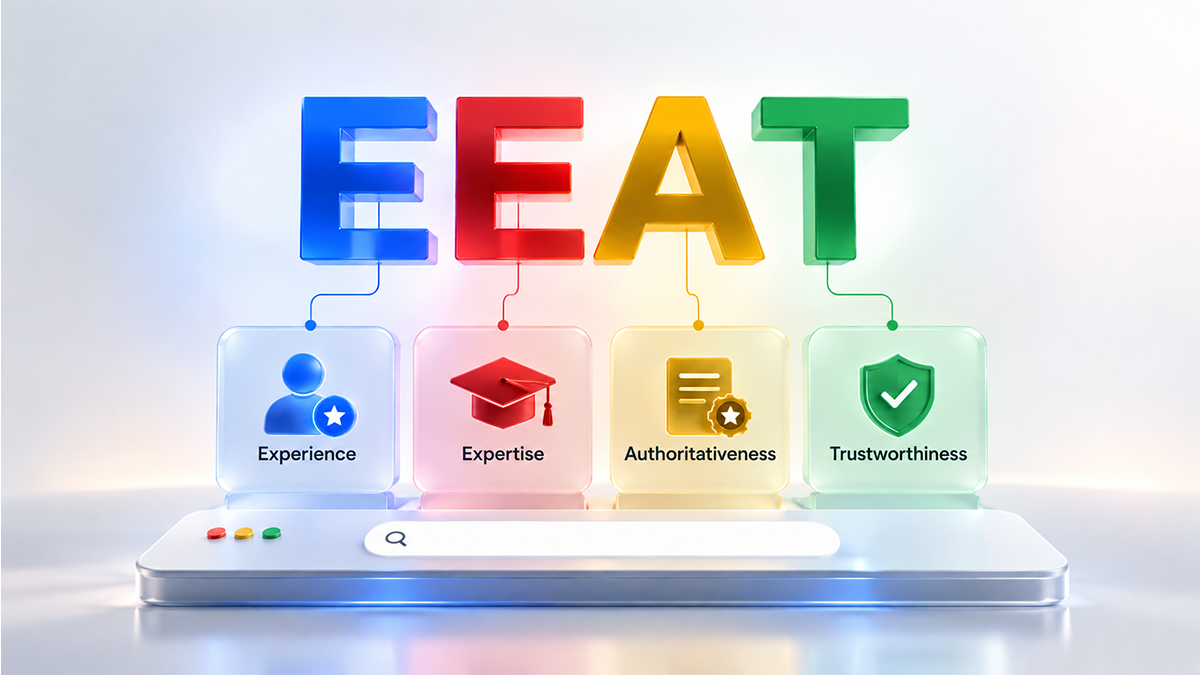
E-E-A-T should not be treated as a magic “AI citation score.” Instead, use it to make your content and business more trustworthy. Show who created the content and why they are qualified to discuss the subject. Author biographies, professional experience, relevant credentials, first-hand examples, expert quotes, and clear editorial standards can all help readers assess credibility. Support factual claims with reliable sources and clearly distinguish original findings from information gathered elsewhere. First-hand experience is especially valuable. A practical explanation based on real projects can offer more value than another generic summary of information already available online.
5. Structure Content for Easy Understanding
Good content doesn’t need to be written differently for machines. It needs to be organized clearly enough for people and search systems to understand. Use:
- Clear H2s and H3s
- Short paragraphs
- Direct definitions
- Lists
- Tables
- Examples
- Question-based sections
Keep important information in readable page content rather than relying entirely on images or interactive elements. Google specifically recommends making important content available in textual form and ensuring pages are easy for Search to access and understand.
6. Keep Important Information Crawlable
A technically strong content strategy starts with making sure search systems can actually access your pages. Google says a page must be indexed and eligible to appear with a snippet in Google Search to be eligible as a supporting link in AI Overviews or AI Mode. Check:
| Technical Area | What to Review |
|---|---|
| Indexing | Important pages are indexed |
| Robots.txt | Googlebot isn’t unnecessarily blocked |
| Internal links | Key pages are easy to discover |
| Content | Important information exists as text |
| Canonicals | Preferred URLs are correct |
| Mobile experience | Pages work properly across devices |
You don’t need a separate “AI version” of your website. Google explicitly says there are no additional technical requirements specifically for AI Overviews.
7. Earn Relevant Authority and Mentions
Build recognition beyond your own website through relevant backlinks, industry publications, expert interviews, digital PR, original research, and professional organizations. The focus should be relevance rather than volume. A few meaningful references from trusted websites in your industry can be more useful than a large collection of unrelated links. Brand mentions also help establish your business within its wider industry context. If you’re trying to get cited in AI Overviews, think beyond individual backlinks. Build a brand that is consistently recognized as a credible source within its subject area.
How to Increase Your Chances of Appearing in Google AI Overviews
Google’s guidance is straightforward: the fundamentals of SEO still apply. There is no special optimization technique required specifically for AI Overviews. Start with search intent. Instead of creating a page around a keyword alone, consider the questions behind that search. For example, a page about “Local SEO” could answer:
- What is Local SEO?
- How does it work?
- How long does it take?
- What does a Local SEO agency do?
- How much does Local SEO cost?
Then strengthen the page with useful examples, relevant internal links, credible sources, and clear explanations. Google also recommends unique, valuable, people-first content rather than commodity content that simply repeats information available elsewhere. The goal is not to abandon traditional SEO. It is to make the content behind your rankings more useful and more distinctive.
How to Increase Your Chances of Being Cited in ChatGPT
ChatGPT’s web search experience is different from Google AI Overviews, so don’t assume that a page appearing in an AI Overview will automatically be cited in ChatGPT. Focus on answering the questions your customers actually ask. Complex guides, comparisons, original research, expert commentary, and detailed explanations can provide useful source material for web-based answers. Keep your brand information consistent across your website and reputable third-party sources. Clearly explain who you are, what you offer, who your experts are, and what makes your business credible. Most importantly, avoid anyone promising guaranteed ChatGPT citations. There is no publicly documented method that guarantees a particular page will be selected.
How to Measure AI Search Visibility
AI visibility should be measured systematically rather than through occasional searches. Create a query set covering:
| Query Type | Example |
|---|---|
| Brand | What is Crest Prospect? |
| Service | Best SEO services for small businesses |
| Problem | How can a business improve organic traffic? |
| Comparison | SEO agency vs. in-house SEO |
| Informational | How does content marketing work? |
Track brand mentions, citations, competitors appearing in answers, frequently referenced sources, and referral traffic from AI platforms. Google also introduced dedicated Search Console reporting for generative AI visibility in 2026, including impressions from AI Overviews and AI Mode. The reporting is being rolled out to a subset of websites.
Common Mistakes That Prevent AI Citations
Avoid these mistakes when developing an AI search strategy:
- Publishing Generic Content: If your page simply repeats information available everywhere, it offers little unique value.
- Making Unsupported Claims: Use credible sources for statistics, research, regulations, and other factual claims.
- Burying the Answer: Give users the direct answer before adding detailed explanation.
- Treating GEO as a Replacement for SEO: Google says existing SEO fundamentals remain important for its AI search features.
- Expecting Guaranteed Citations: No strategy can guarantee that Google AI Overviews or ChatGPT will select your page.
Why Choose Crest Prospect for AI SEO and GEO?
AI search visibility requires more than adding a few GEO terms to existing content. It requires a strong combination of technical SEO, content strategy, topical authority, entity clarity, and ongoing visibility analysis. Crest Prospect can help businesses identify the queries where competitors are gaining AI visibility, uncover content gaps, strengthen existing pages, and build content designed to provide genuinely useful answers. Our approach combines SEO and GEO rather than treating them as separate marketing activities. **Book a free AI SEO/GEO strategy call** with Crest Prospect to identify opportunities to improve your visibility across AI-powered search experiences.
Conclusion
Getting cited in AI-generated answers isn’t about finding a secret ranking trick. It starts with publishing information that is genuinely useful, credible, original, accessible, and easy to understand. Google AI Overviews and ChatGPT work differently, so businesses should not treat them as identical systems. But the underlying principle is similar: become a source worth referencing. If you want to get cited in AI Overviews, strengthen the SEO foundations of your website, answer specific questions clearly, demonstrate real expertise, publish original information, and measure your AI search visibility over time.
Get Cited in AI Overviews FAQs
1. How can I get cited in AI Overviews?
Create helpful, original, well-supported content that directly answers relevant questions. Your page must also be indexed and eligible to appear in Google Search.
2. Can any website get cited in Google AI Overviews?
Any eligible website can potentially appear as a supporting source, but meeting Google’s technical requirements does not guarantee that a page will be selected or served.
3. Does ranking #1 on Google guarantee an AI citation?
No. A strong ranking can help visibility, but AI-generated answers may select information from multiple sources based on the specific question and supporting information needed.
4. How can I get my website cited in ChatGPT?
Create authoritative, useful content that answers questions your audience searches for. Keep your brand information clear and consistent, and publish original research or expert insights where possible.
5. Does E-E-A-T affect AI citations?
E-E-A-T is not a guaranteed AI citation factor. However, demonstrating experience, expertise, and credibility can make content more trustworthy and useful to readers and search systems.
6. Does GEO help with AI citations?
GEO can provide a useful framework for improving AI search visibility, but it should complement traditional SEO rather than replace it.
7. How can I measure AI search visibility?
Track a consistent set of brand, informational, commercial, and comparison queries across relevant AI search experiences. Monitor citations, mentions, competitors, and AI referral traffic.
8. Should I create separate content for Google AI Overviews and ChatGPT?
Not necessarily. Start with strong, useful content that serves your audience. Then consider how the content can address the different ways Google and ChatGPT retrieve and present information.
9. How often should I update content for AI search?
Update content whenever important information changes, such as statistics, pricing, regulations, product features, or industry guidance. Quality matters more than updating pages on an arbitrary schedule.
10. Can Crest Prospect help improve AI search visibility?
Yes. Crest Prospect can combine technical SEO, content strategy, topical authority, and GEO-focused analysis to identify opportunities for stronger visibility across AI-powered search experiences.